, ! ।oṃ jay jagadīś hare, prabhu! jay jagadīś hare| ॥bhaktajanoṃke saṃkaṭ chinameṃ dūr kare||
Om Jai Jagdish Hare
भगवान् जगदीश्वर
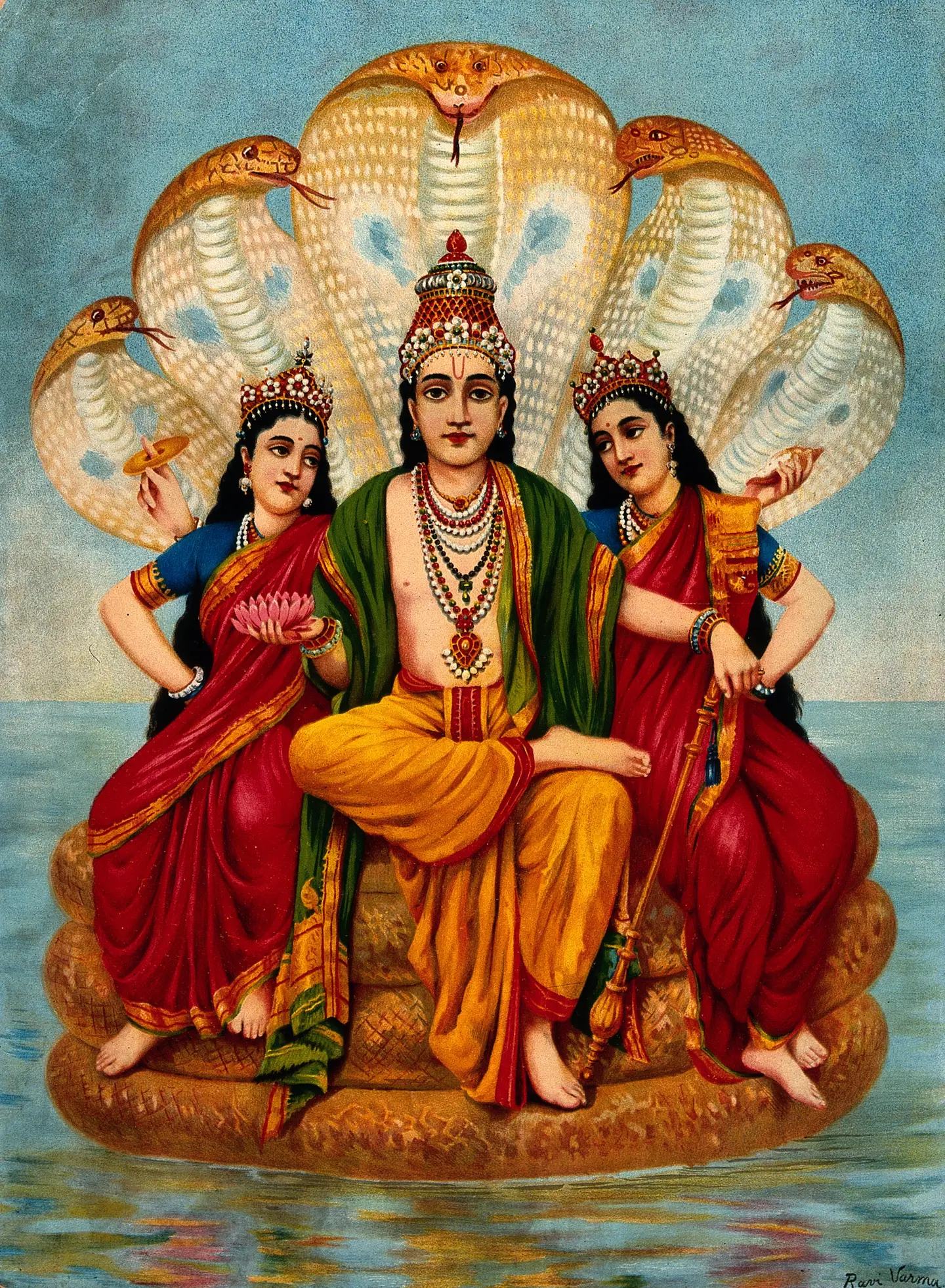
The English translation of this text is being prepared. For now, the original is shown with its transliteration. Read it with its Hindi translation
Tap any word of the original to see its meaning.
, ।jo dhyāvai phal pāvai, dukh vinasai manakā| , ॥sukh-sampati ghar āvai, kaṣṭa miṭai tanakā||
, ।māt-pitā tum mere, śaraṇ gahūm̐ kisakī| , ॥tum bin aur na dūjā, ās karūm̐ jisakī||
, ।tum pūran paramātmā, tum antaryāmī| , ॥pārabrahma parameśvar, tum sabake svāmī||
।tum karuṇāke sāgar tum pālan-kartā| , ॥maiṃ mūrakh khal kāmī, kṛpā karo bhartā||
, ।tum ho ek agocar, sabake prāṇapatī| ! ॥kis bidhi milūm̐ dayāmay! maiṃ tumako kumatī||
।dīnabandhu dukhahartā tum ṭhākur mere| , ॥apane hāth uṭhāo, dvār par̤ā tere||
, ।viṣay-vikār miṭāo, pāp haro devā| , ॥śraddhā-bhakti bar̤hāo, saṃtanakī sevā||
Original: By Pandit Shardha Ram Phillauri (d. 1880 or 1881), as a 1965 edition of his सत्यामृत प्रवाह attributes it. The aarti as sung and printed, following Gita Press, Gorakhpur, Aarti-Sangrah (book 153, ed. Hanuman Prasad Poddar, 80th reprint, VS 2075), p. 12; checked line by line against a second Gita Press setting (pp. 9-10) and three independent printings: Khemraj Shrikrishnadas, Bombay; Hari Darshan Prakashan Mandir, Delhi; Atul Kumar Gupta, Bhopal. Digital text: Bharat Samhita (bharatsamhita.com): transcribed by Claude (AI) and checked line by line against the printings named in the edition; not yet reviewed by an editor (Public domain).